Korean brands took 68.9% of skincare value and 49.5% of skincare units at two Egyptian online beauty retailers, from 1 September to 29 October 2026. Medicube and Skin1004 led at both. Price is the sharpest divide: Korean brands took 81.7% of value at EGP 700 and above, and 17.9% below it.
All figures as of 29 October 2026. They are estimated demand, not reported sales, with value at selling price, and they describe two retailers, not the whole market. All brands are reported neutrally.
The market view is in the autumn report on Egyptian beauty, and the brand roster is in the K-beauty Egypt report. This guide covers how concentrated Korean demand is and where it weakens.
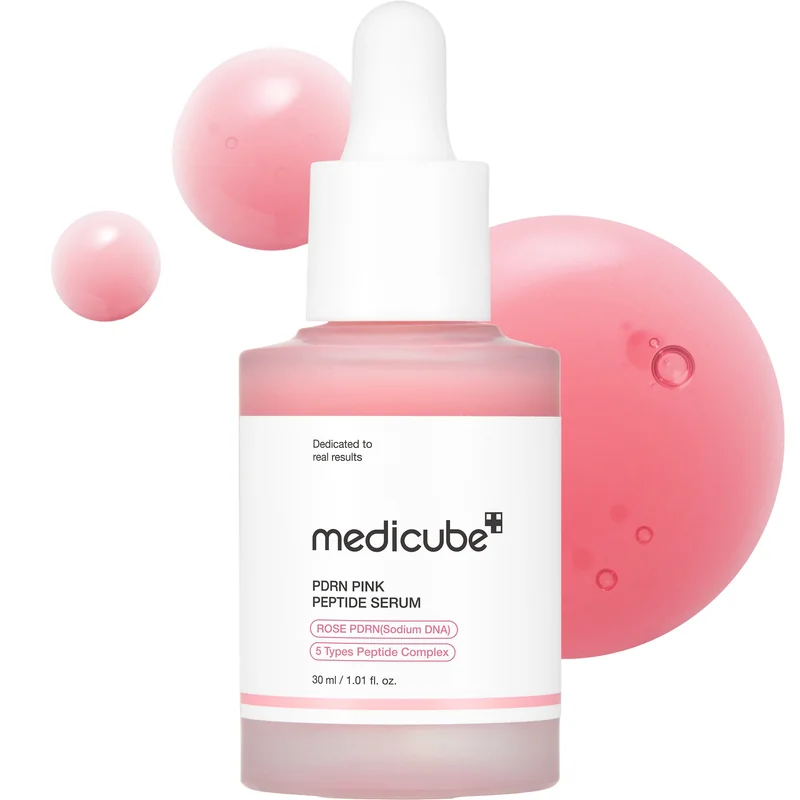 Medicube PDRN Pink Peptide Serum
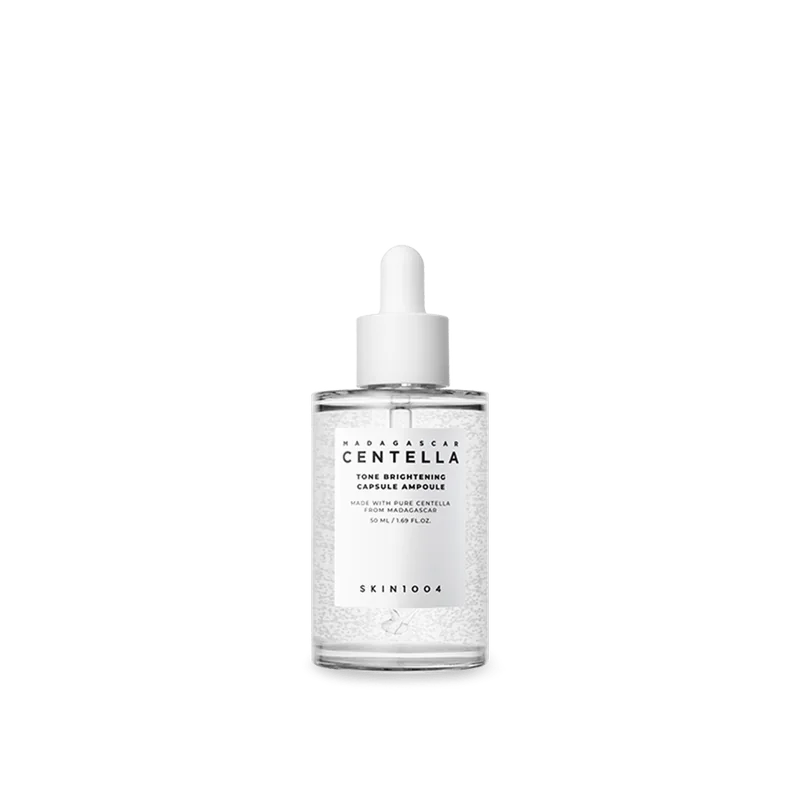 Skin1004 Tone Brightening Capsule Ampoule
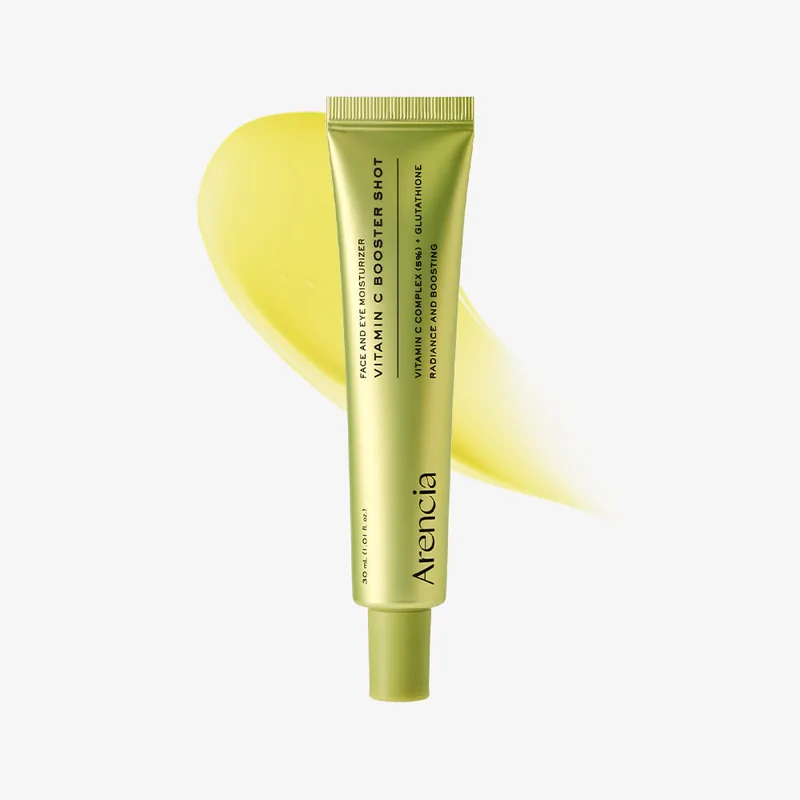 Arencia Vitamin C Booster Shot
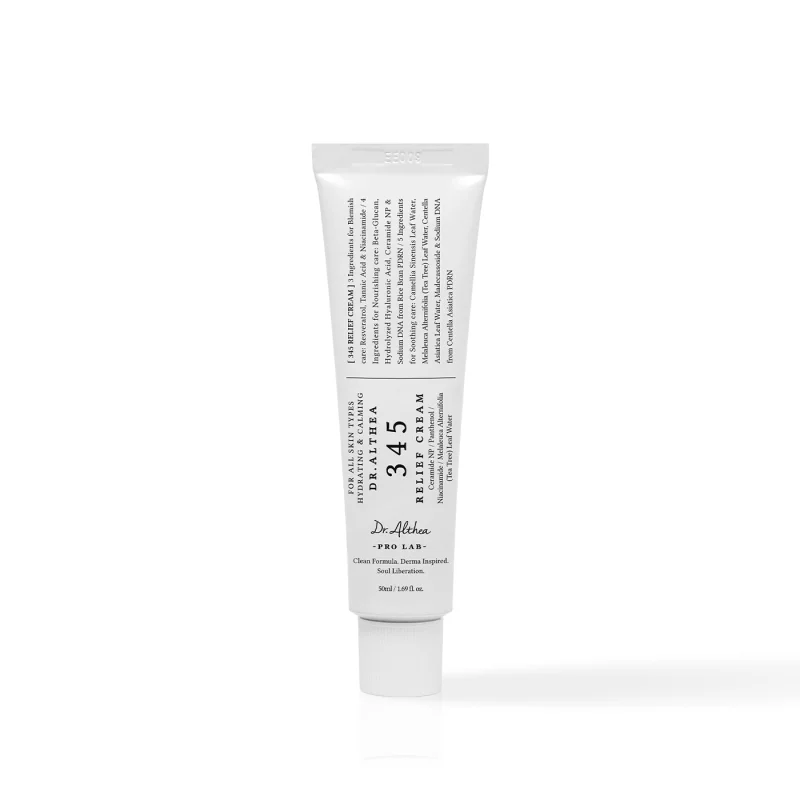 Dr. Althea 345 Relief Cream
How much of Egypt's skincare demand goes to Korean brands?
68.9% of value, but the answer depends on what you count as the market.
| Share held by Korean brands | Value | Units |
|---|---|---|
| All beauty | 18.5% | 13.5% |
| Beauty excluding fragrance | 31.0% | 16.0% |
| Skincare | 68.9% | 49.5% |
About 94% of Korean-brand value is skincare. Among international and independent brands only, the Korean share is 21.0% of beauty value, 36.0% excluding fragrance, and 70.2% of skincare value.
The skincare share held level, at 68.9% in September and 68.8% in October. By fortnight it ran 71.5%, 66.3%, 67.7% and 70.0%, with no clear direction. The share of all beauty slipped from 19.0% to 18.1% because fragrance grew from 39.4% to 42.1% of beauty value. Without fragrance, it stayed at 31.1% and 30.9%. Two autumn months are not a trend or a season.
This demand is for single products. Sets are 2.1% of Korean skincare value and 3.9% of all skincare value. Without them, the Korean share of skincare value is 70.1%.
Which Korean skincare brands lead demand in Egypt?
Medicube and Skin1004, first and second at both retailers by value and by units. Third place depends on the measure: Dr. Althea by value, COSRX by units.
| Brand | Share of Korean skincare value | Share of Korean skincare units |
|---|---|---|
 Medicube |
15.3% | 12.9% |
 Skin1004 |
12.7% | 12.2% |
 Dr. Althea |
7.7% | 6.5% |
 Anua |
7.4% | 5.5% |
 COSRX |
7.1% | 8.0% |
 Celimax |
6.2% | 7.2% |
| Arencia | 6.0% | 6.4% |
Medicube alone is 10.6% of all skincare value, and Skin1004 8.7%. High demand does not mean most effective.
Does the Korean share rest on one or two names?
No. The top five brands make up 50.2% of Korean skincare value and the top ten 76.2%. Remove brands from both sides of the share and the Korean position holds:
- Without Medicube, Korean brands take 65.2% of skincare value.
- Without the top two, 61.4%.
- Without the top five, 52.4%.
This is arithmetic, not a forecast of where those buyers would go. Other skincare is more scattered: its top five hold 37.5% of its value, and it takes nine brands to reach half, against five for Korean brands.
How many of the top skincare products are Korean?
18 of the top 20 skincare lines by value, with sizes combined. That is 8 of the top 10, 40 of the top 50 and 77 of the top 100. The top 20 are 25.6% of skincare value and the largest about 3.1%, so no single product carries the category. Across all beauty, Korean lines hold 3 of the top 20.
Among international and independent brands, 9 of the top 10 skincare brands by value are Korean, and 16 of the top 20. La Roche-Posay is the non-Korean name in the top ten, at 3.2%, and The Ordinary is next at 2.4%.
Korean names are about 36% of international and independent skincare lines. About 16.5% of those lines reached ten or more units of estimated demand in the two months, against 5.4% of other lines.
How much does Korean skincare cost in Egypt?
The median Korean skincare unit was about EGP 1,099 at selling price, against about EGP 355 for other skincare. The averages in the autumn report, EGP 1,047 and EGP 464, are means, not medians.
| Price per unit | Korean share of value | What the band holds |
|---|---|---|
| Under EGP 700 | 17.9% | 20.1% of skincare value, 49.0% of units |
| EGP 700 and above | 81.7% | 84.1% of Korean units, 18.5% of other units |
| EGP 1,000 to 1,400 | 90.7% | 41.2% of skincare value |
Which formats and actives are Korean-led?
Korean brands lead every main skincare format by value, from 51.2% of cleansers to 84.5% of face masks.
| Format | Korean share of value | Korean share of units |
|---|---|---|
| Face masks | 84.5% | 36.9% |
| Serums | 80.1% | 70.5% |
| Eye care | 74.7% | 57.3% |
| Toners and mists | 68.2% | 50.4% |
| Moisturisers | 65.2% | 47.2% |
| Sunscreen | 53.0% | 39.4% |
| Cleansers | 51.2% | 26.5% |
The mask gap between value and units comes from price: the average Korean mask unit is about EGP 801, against about EGP 86 for other brands. Serums are the centre of Korean demand, at 44.5% of Korean skincare value against 24.5% of other skincare. Cleansers are the reverse, at 9.4% against 19.7%.
Most named actives follow the same pattern. Salicylic acid is the main exception.
| Active | Korean share of value | Leading brand |
|---|---|---|
| PDRN | about 100% | Medicube |
| Snail | about 99% | COSRX |
| Tranexamic acid | about 99% | |
| Peptides | 90.8% | |
| Retinoids | 88.7% | Celimax |
| Centella | 85.7% | Skin1004 |
| Collagen | 85.2% | Medicube |
| Vitamin C | 83.6% | Arencia |
| Azelaic acid | 77.8% | |
| Hyaluronic acid | 77.1% | |
| Niacinamide | 69.1% | |
| Salicylic acid | 29.8% |
These shares cover products naming each active, and they overlap, because one product can name several. They describe demand, not efficacy.
Does Korean skincare do as well in Lebanon?
No. Among international and independent skincare brands, the gap is wide at two Egyptian retailers against one Lebanese online beauty retailer, from 1 September to 29 October 2026. The Lebanese figures leave out bundles.
| Egypt | Lebanon | |
|---|---|---|
| Korean share of skincare value | 70.2% | 29.3% |
| Korean share of skincare units | 53.9% | 30.0% |
| Medicube's share of Korean skincare value | 15.3% | 57.2% |
| Top three's share of Korean skincare value | 35.7% | 77.8% |
This compares two retailers with one, so part of the gap may be the retailer and not the country. The K-beauty Lebanon report has the wider picture.
How should a shopper use these figures?
As a map of what others chose, not as advice on what suits your skin.
- Separate popularity from fit. Retinoids are 88.7% Korean by value, which says nothing about whether one is right for you. Ask a dermatologist or pharmacist if your skin is sensitive or you are unsure.
- Compare across origin where the field is open. Korean brands hold 53.0% of sunscreen value, 51.2% of cleanser value and 29.8% of salicylic acid value.
- Compare like with like. At about EGP 801 against about EGP 86 per average mask unit, check size and active strength before comparing price.
What should a skincare brand owner do with this?
These are working rules from Mojo's media practice, tied to the figures above. They are not market data or a promise of ad results, so test them against your own margin and orders.
If you sell Korean skincare:
- Lead with serums. They are 44.5% of Korean skincare value, so start with one serum as the hero before spreading budget across formats.
- Name the active in ads and on pages. Retinoids at 88.7%, centella at 85.7% and collagen at 85.2% show where demand sits, and also where you face the most Korean competition.
- Expect a crowded field. The top five hold 50.2% of Korean skincare value, so a position behind the leaders is open but contested.
- Protect price before discounting. Korean brands take 90.7% of value at EGP 1,000 to 1,400, so check your margin there first.
If you sell other skincare:
- Treat under EGP 700 as a volume tier. It is 49.0% of units but 20.1% of value. Your cost per order has to work at this price, so start with the guide to Meta ads for cash on delivery in Egypt.
- Pick the formats where the lead is smaller. Cleansers at 51.2% and sunscreen at 53.0% are more open than serums at 80.1%. Salicylic acid, at 29.8%, is the clearest active to build around.
- Do not lean on kits. Sets are 3.9% of skincare value, so test one before building a campaign around bundles.
If you sell in both Egypt and Lebanon, plan them separately. A Medicube share of 15.3% against 57.2% suggests different competitive sets.
To have this checked against your own range and media plan, message Mojo on WhatsApp.