Dermo brands are the largest group in Lebanese online skincare by value, with 38.9% against 31.1% for Korean brands, at one retailer from 1 September to 29 October 2026. The two are level on units, at 29.9% and 30.7%, because a dermo product averaged US$24.8 and a Korean one US$19.4. One brand stands above the rest: Medicube took 17.8% of skincare value, 3.3 times La Roche-Posay, the largest dermo brand. Dermo also leads sunscreen, with 67.4% of its value.
All figures 1 September to 29 October 2026, at one Lebanese online beauty retailer, unless dated otherwise. Shares are estimated demand, not reported sales, and all brands are reported neutrally. Shares exclude bundles and gift sets and cover a narrower set of brands, so they can differ from our wider reports. For example, the K-beauty report and our Korean skincare guide put Korean brands at about 29% of skincare value, on a narrower list of Korean labels and a different skincare base. The practical advice is Mojo's view, and it does not promise ad results.
For the wider market, see the Lebanon beauty report. For Korean brands in detail, see K-beauty in Lebanon.
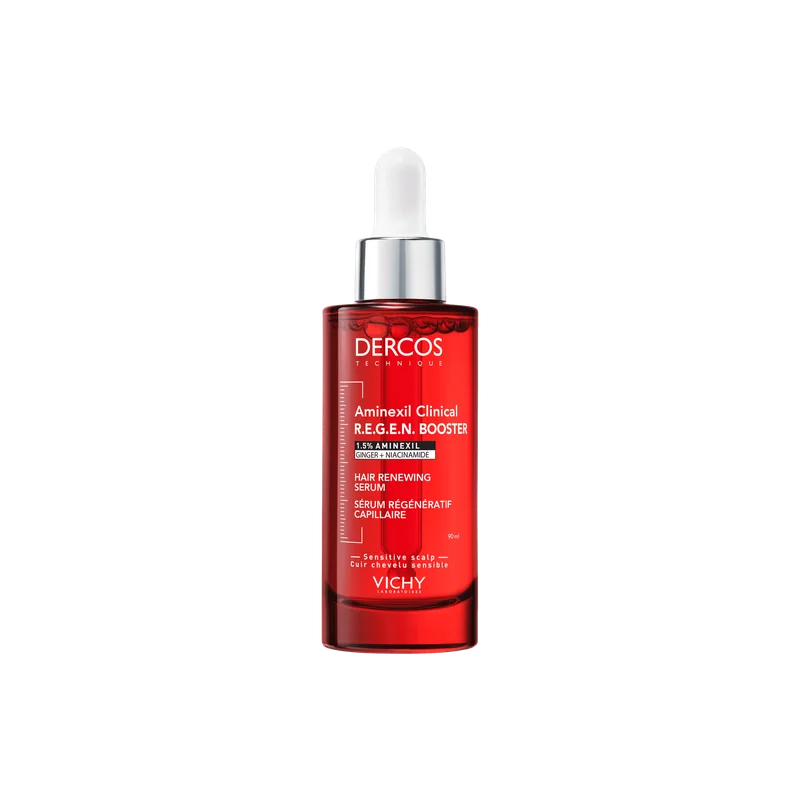 Vichy Dercos Aminexil
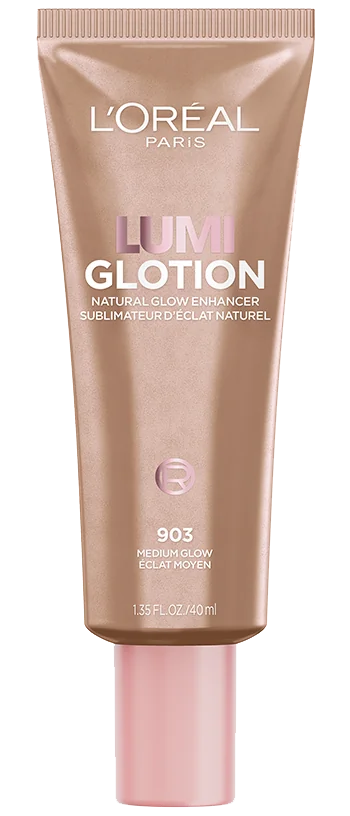 L'Oréal Paris Lumi Glotion
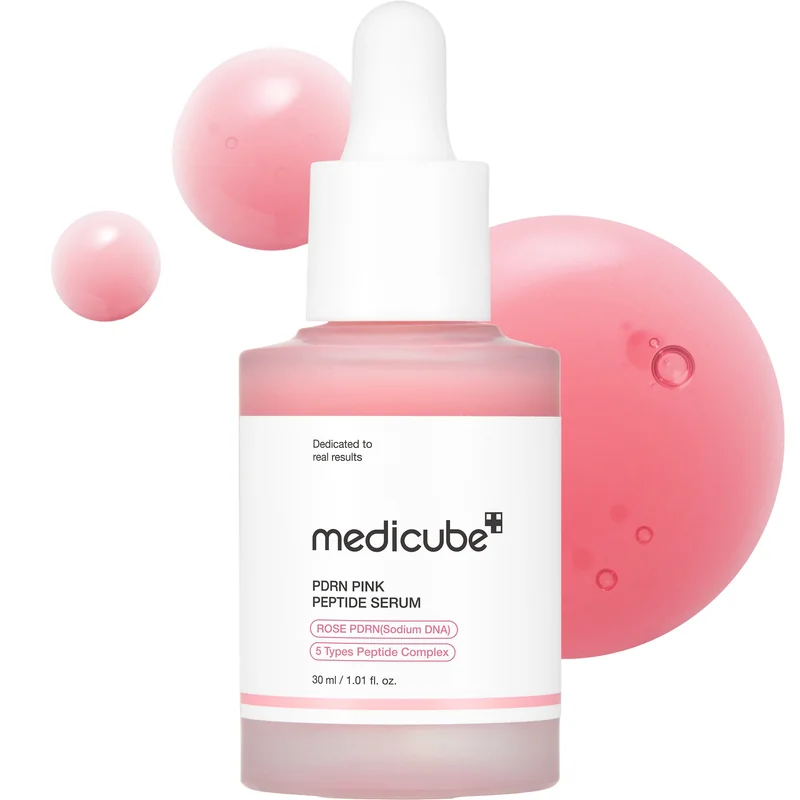 Medicube PDRN Pink Peptide Serum
Which skincare brands lead in Lebanon?
Dermo means pharmacy and dermatological brands. The groups are our own classification.
| Group | Share of value | Share of units | Average price |
|---|---|---|---|
| Dermo | 38.9% | 29.9% | US$24.8 |
| Korean | 31.1% | 30.7% | US$19.4 |
| Mass | 12.3% | 26.8% | US$8.7 |
| Prestige | 7.9% | 3.8% | US$39.3 |
A dermo product averaged about 2.9 times a mass one. Dermo took 41.1% of value in September and 36.4% in October, and stayed the largest group.
| Brand | Share of skincare value |
|---|---|
 Medicube |
17.8% |
 L'Oréal Paris |
7.0% |
 La Roche-Posay |
5.4% |
 Avène |
5.2% |
 CeraVe |
4.7% |
 Eucerin |
4.6% |
Medicube is 57.0% of Korean-brand value, and Korean brands without it hold about 13% of skincare. L'Oréal Paris shows the opposite profile, with 13.1% of units on 7.0% of value. Our Lebanon beauty report ranks it first in skincare as of March to April 2026, a different period from this guide.
Which dermo brands lead, and does a bigger range help?
Five brands take 61.3% of dermo value, but no leader is settled. The top four sit between 11.9% and 13.8%.
| Brand | Share of dermo value | Share of dermo units |
|---|---|---|
| La Roche-Posay |
13.8% | 14.8% |
| Avène |
13.4% | 13.9% |
| CeraVe |
12.1% | 19.4% |
| Eucerin |
11.9% | 7.6% |
 Bioderma |
10.0% | 9.5% |
Average price separates them: CeraVe US$15.5, La Roche-Posay US$23.1, Bioderma US$26.2, Eucerin US$39.1. From September to October, Avène went from 16.7% to 9.1% of dermo value and Bioderma from 6.4% to 14.7%. We do not assign a cause. SkinCeuticals took 4.1% of value on 0.8% of units, a small base that only illustrates price.
Range size does not predict demand. A line here is one sellable variant, such as a shade or size. This is one retailer's range, not each brand's full range, and it says nothing about product quality.
| Brand | Share of dermo value | Share of dermo lines | Ratio |
|---|---|---|---|
| CeraVe |
12.1% | 2.3% | 5.3x |
| Eucerin |
11.9% | 2.8% | 4.3x |
| La Roche-Posay |
13.8% | 4.4% | 3.2x |
 Vichy |
6.5% | 2.1% | 3.1x |
| Avène |
13.4% | 7.0% | 1.9x |
| Bioderma |
10.0% | 7.5% | 1.3x |
 SVR |
2.9% | 4.3% | 0.7x |
 Soskin |
2.6% | 4.6% | 0.6x |
 Uriage |
3.4% | 7.1% | 0.5x |
What to do: among lines with a usable estimate, 35.1% of dermo lines had no estimated demand in two months, against 11.6% of Korean lines, 25.1% of mass and 64.5% of prestige. Before listing more dermo lines, compare your share of demand with your share of the range.
Where do dermo and Korean brands each lead?
They lead different parts of the routine. Moisturisers are 29.8% of skincare value, serums 24.4%, eye care 13.7%, cleansers 9.6% and sun care 8.1%.
| Category | Dermo share | Korean share |
|---|---|---|
| Sun care | 67.4% | 21.9% |
| Cleansers | 64.4% | 14.0% |
| Moisturisers | 49.8% | 19.9% |
| Serums | 28.8% | 33.9% |
| Eye care | 27.2% | 38.9% |
| Toners | 6.5% | 60.2% |
| Masks | 5.2% | 77.9% |
Korean brands also take 77.2% of exfoliators. Dermo serums averaged US$43.6 against US$23.1 for Korean ones. Moisturisers were level at US$24.4 and US$24.7, with mass at US$9.7.
What to do: set budgets by category, not by origin. A Korean brand entering cleansers meets a 64.4% dermo share, while a dermo brand entering toners starts from 6.5%. In moisturisers, price alone will not separate dermo from Korean.
How much do skincare brands rely on discounts?
Dermo leans on marked discounts more than Korean brands do, and dermo brands split sharply. A marked discount means a stated reference price above the selling price. We do not assess that reference price, and discount codes are not netted.
| Group | Units on marked discount | Median depth | Units at 20% or more off |
|---|---|---|---|
| Dermo | 58.4% | 25% | 37.2% |
| Mass | 54.7% | 20% | 31.9% |
| Korean | 40.7% | 10% | 4.0% |
| Prestige | 23.6% | 30% | 17.7% |
| Dermo brand | Units on marked discount |
|---|---|
| Avène |
83.7% |
| La Roche-Posay |
76.6% |
| Eucerin |
75.0% |
 Cetaphil |
74.7% |
| CeraVe |
63.7% |
| Vichy |
63.6% |
| SVR |
11.3% |
| Uriage |
4.5% |
| Bioderma |
3.6% |
 SkinCeuticals |
0% |
SVR and SkinCeuticals rest on few units.
What to do: do not assume dermo needs a discount to compete. Bioderma had 3.6% of units marked and went from 6.4% to 14.7% of dermo value between September and October, though no cause is established. Test full-price periods on your own results before committing to a 25% depth.
Which sunscreen do shoppers in Lebanon choose?
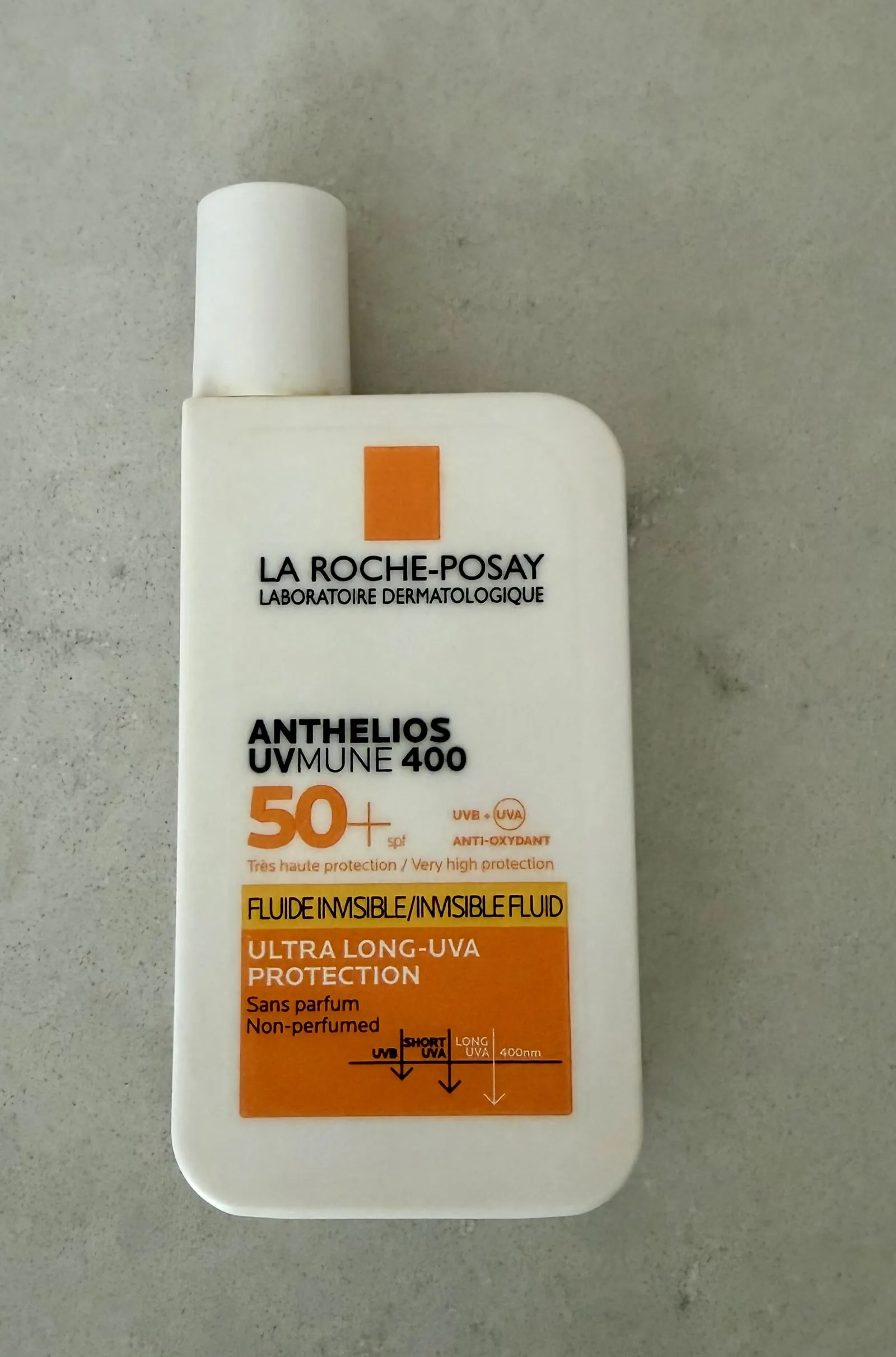
Dermo brands take 67.4% of sunscreen value, Korean brands 21.9% and mass 6.8%. This covers the end of the season only, and shopper preference does not indicate protection. Sunscreen is 8.1% of skincare value and 2.4% of beauty value.
| Brand | Share of sunscreen value |
|---|---|
| La Roche-Posay |
14.9% |
 Beauty of Joseon |
10.1% |
| Avène |
9.7% |
| SVR |
5.4% |
| Medicube |
5.0% |
 COSRX |
4.9% |
| Bioderma |
4.7% |
The top three take 34.7% and the top ten 66.5%. The leading product by units is Beauty of Joseon Relief Sun Rice + Probiotics, with 7.3%.
Korean sunscreen reaches a dermo price with less discounting. Average price was US$24.0 for dermo, US$20.8 for Korean and US$12.2 for mass, and in late October the median price of available products was close, at US$22.5 and US$23.0. These prices are not per ml, and the Korean and mass groups are small. Of mass units, 91.6% were below US$15.
| Price band | Dermo units | Korean units |
|---|---|---|
| Below US$15 | 0.7% | 7.0% |
| US$15 to 20 | 31.8% | 31.6% |
| US$20 to 25 | 30.2% | 60.1% |
| US$25 and above | 37.3% | 1.3% |
Marked discounts covered 59.4% of dermo units, 43.4% of mass and 22.8% of Korean. By brand: Avène 89.6%, La Roche-Posay 80.4%, COSRX 32.6%, Beauty of Joseon 0%.
By product name, autumn demand favoured very high protection and light textures. Categories overlap, and products that do not state a feature are not counted.
| Named in the product title | Share of sunscreen value |
|---|---|
| SPF 50 or higher | 86.0% |
| Fluid, gel, serum or invisible | 55.9% |
| Cream, lotion or milk | 13.1% |
| Anti-spot or anti-age | 16.9% |
| Tinted | 16.0% |
| Oil-control or acne | 15.4% |
| Mineral | 5.3% |
| Sprays | 2.7% |
| Kids | 1.7% |
| Sticks | 1.6% |
What to do: do not plan SPF from the sun category alone. Among products naming SPF, 36.0% of value and 41.1% of units sit outside it, at an average of US$17.9 against US$21.8 inside it. L'Oréal Paris is 48.3% of those units, CeraVe 12.1%, Beesline 11.6% and La Roche-Posay 8.7%. Keep copy to what you can support: texture and popularity say nothing about efficacy.
Which skincare products were unavailable most often?
Sunscreen was unavailable less often than other skincare this autumn, and dermo less often than mass. These figures describe one retailer and may reflect supply or its own choices.
| Group | Average share unavailable on a given day |
|---|---|
| Sunscreen | 8.7% |
| Other skincare | 19.1% |
| Dermo | 13.7% |
| Mass | 21.6% |
Among brands with enough products to compare, the share ran from 0.6% for SkinCeuticals, 2.4% for Vichy, 5.1% for La Roche-Posay, 5.2% for Avène and 5.5% for CeraVe to 16.9% for Cetaphil and 28.8% for Uriage. Unavailable for 14 days or more applied to 21.3% of dermo products and 34.1% of mass.
What to do: check availability before raising spend. A budget set at brand level can land on product pages that cannot take an order. Our guide to ads and availability covers the account setup.
To check this on your range before your next campaign, message Mojo on WhatsApp.