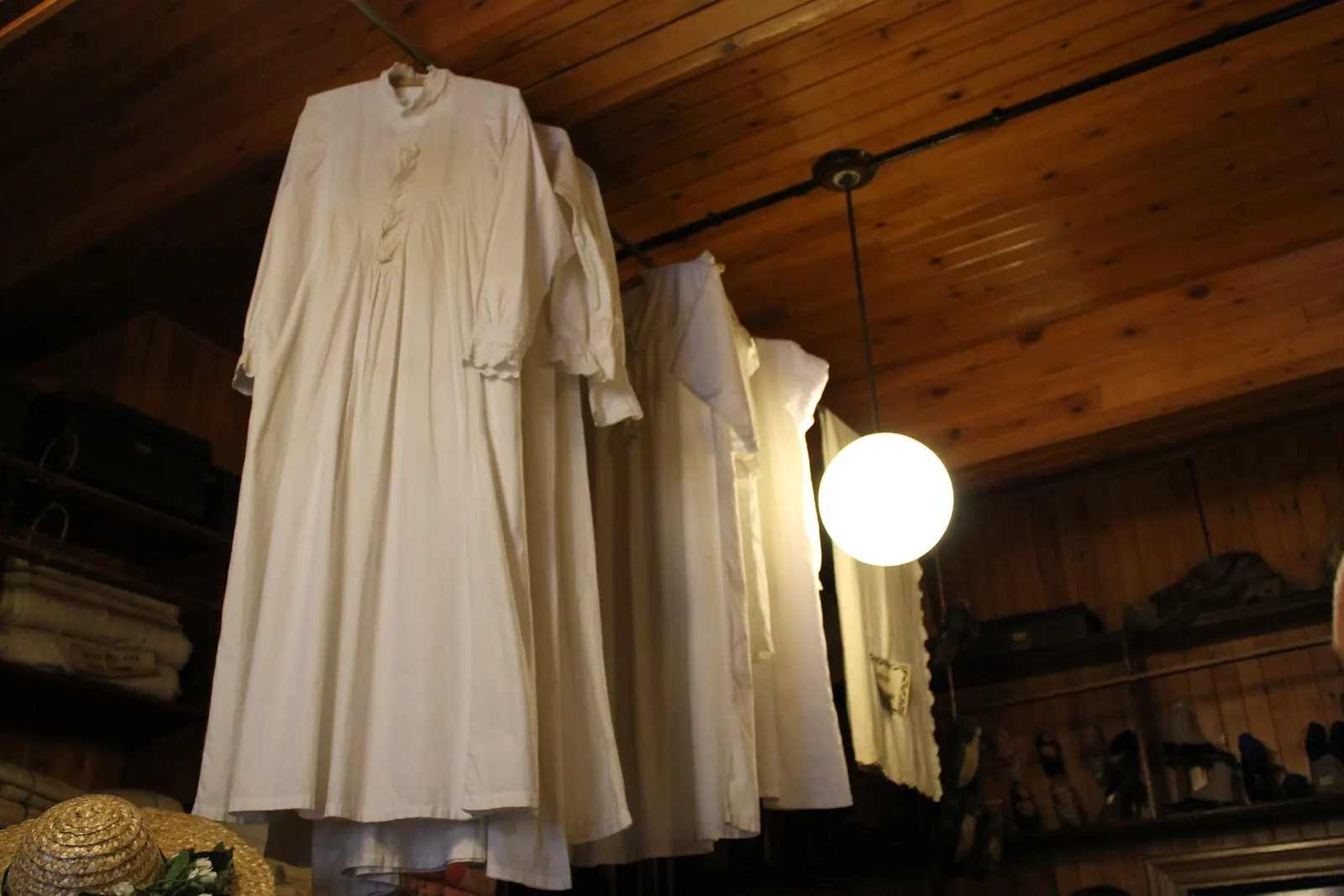
In the homewear catalogue compared, L, XL and 2XL took 75.0% of estimated demand for women's nightgowns from 3 September to 29 October 2026, with XL largest at 29.8% and S at 2.3%. Small is scarce mainly because few lines offer it: on 29 October 2026, 10% of available lines listed S, against 99% for XL. Across the period, 74.6% of estimated demand sat at EGP 500 to 750, viscose-named lines took 52.9%, and no colour passed 9.7%. Summer-weight lines still took most of October's demand.
All figures are estimated demand, not reported sales, in one homewear catalogue from 3 September to 29 October 2026, not the whole market. They show what shoppers chose from what was offered, not body sizes in Egypt. A line means one product in one colour. Advice is Mojo's judgment.
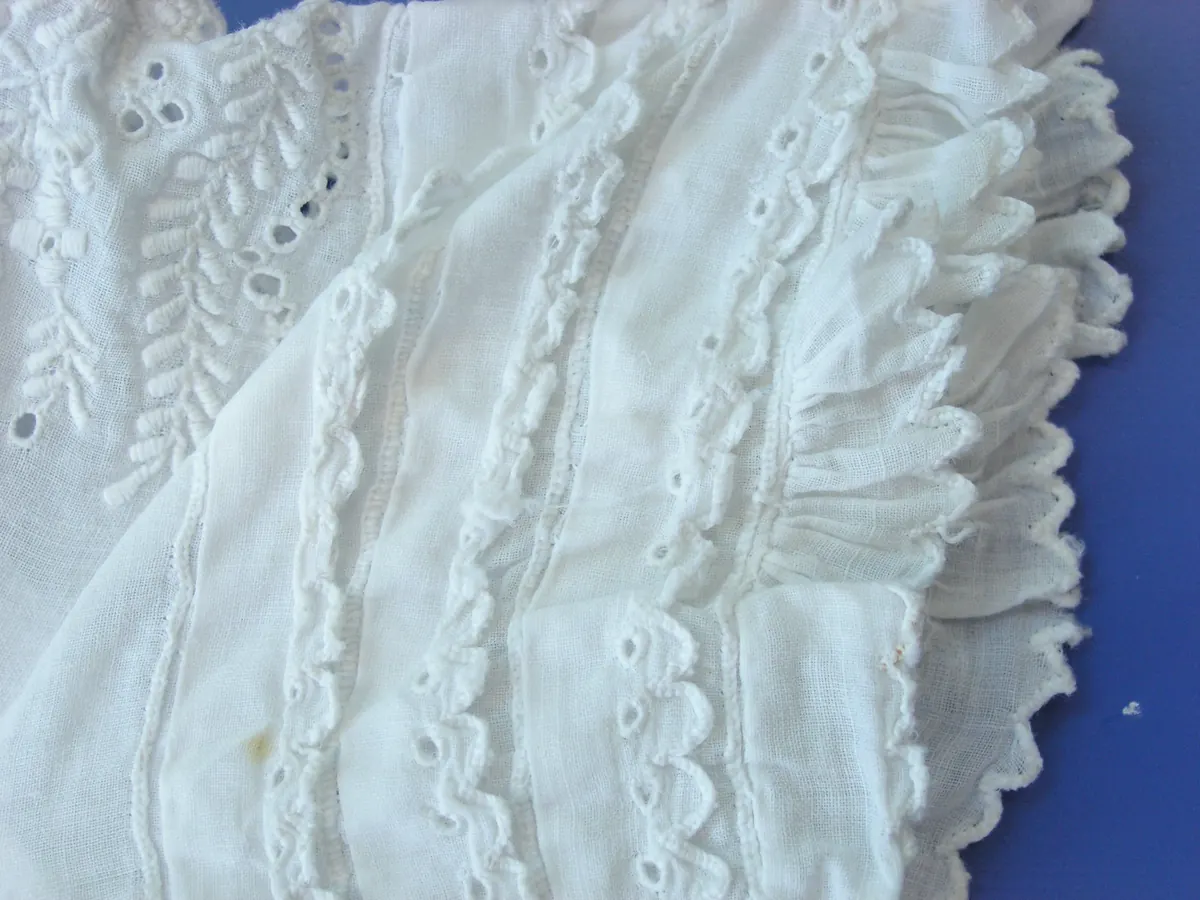
Why do large nightgown sizes lead in Egypt?
Because that is largely what is offered. In the homewear catalogue compared, the size curve closely follows the size range, and the two are hard to separate. This table covers 3 September to 29 October 2026, with the share of lines listing each size taken on 29 October.
| Size | Share of estimated demand | Available lines listing it | Share of its demand on reduced lines |
|---|---|---|---|
| S | 2.3% | 10% | 62.0% |
| M | 8.8% | 24% | 72.3% |
| L | 23.3% | 86% | 13.0% |
| XL | 29.8% | 99% | 10.6% |
| 2XL | 21.9% | 97% | 6.7% |
| 3XL | 13.5% | 88% | 4.3% |
A small size can look unwanted when it is simply absent. At full price, for every 100 of estimated demand per available XL option, S drew 143, M drew 111, L drew 103, 2XL drew 97 and 3XL drew 90. The S side is thin, and lines listing S differ from the rest: 63.8% of them were marked down, against 10.2%. So treat this as direction. It does not show what S demand would be with a fuller range, and it does not say that smaller women do not buy nightgowns.
Nightgowns also lean larger than women's pyjamas in the same catalogue. S and M together were 11.1% of nightgown demand against 30.2% of pyjama demand, while 3XL was similar, at 13.5% and 13.0%. Both curves follow what was offered.
The mix held steady into the cooler months. With promotional periods and unusual peaks set aside, XL was 28.5% of demand in September 2026 and 28.9% in October, and it was the largest size in both months.
Is 3XL harder to find than XL?
Yes, by about two to one. In the homewear catalogue compared, in autumn 2026, 3XL was the size most often unavailable on nightgown lines still on offer, about twice as often as XL. 2XL came next, about one and a half times as often as XL.
That gap may explain part of 3XL's lower share, because it is available on far fewer lines. On lines with L to 3XL all available, 3XL took 24.2% of estimated demand against 26.7% for XL and 25.5% for 2XL, about the same. Lines that keep all four sizes may be unusual, so this is not proof of lost sales.
How much does a nightgown cost in Egypt?
In the homewear catalogue compared, 74.6% of estimated demand from 3 September to 29 October 2026 sat at EGP 500 to 750.
| Price band (EGP) | Share of estimated demand |
|---|---|
| Under 500 | 12.6% |
| 500 to 750 | 74.6% |
| 750 to 1,000 | 9.5% |
| 1,000 and up | 3.4% |
The bottom band is not a stable entry price. Of demand under EGP 500, 83.5% was on reduced lines. It went from 20.4% of demand in September 2026 to 5.0% in October, and to 9.2% with promotional periods and unusual peaks set aside, as reduced lines shrank from about a quarter of demand to about a tenth. On that stricter comparison, EGP 1,000 and up went from 0.3% to 11.4%, and 95% of that was winter lines, not higher prices on the same garments. For the wider pattern, see our report on fashion pricing.
The size you pick can change the price. On 29 October 2026, about 4 in 5 available lines in that catalogue charged more for 2XL than XL. None charged more for XL than L, and 3.7% charged more for 3XL than 2XL.
Length shows up in price too. About half of demand came from lines that give no length, so these are minimum figures. Short styles held at about a quarter of demand, and 95.4% of that sat at EGP 500 to 650. Long styles rose from 17.7% of demand in September to 30.7% in October, partly because winter lines are mostly long. Without those lines and with promotional periods set aside, long reached 21.7%, so the fair range is between a fifth and 3 in 10.
Which nightgown colours and fabrics lead?
No colour dominates. In the homewear catalogue compared, from 3 September to 29 October 2026, beige took 9.7%, rose and pink 9.6%, navy 9.3%, black 9.0% and mint 8.7%, together 46.3% of estimated demand. Teal followed at 8.1%. These five swap places depending on how the comparison is cut, so do not treat them as a ranking.
The real change was towards dark shades. Navy, black, brown and other dark colours rose from about 3 in 10 of demand in September 2026 to between a third and two fifths in October, while dark colours stayed at about a third of what was offered. White went from 7.7% to 3.9% and light blue from 6.7% to 3.2%. Winter lines explain part of this, not all of it. This is one autumn, not a yearly pattern.
Light blue is the odd one. It was among the colours most often unavailable, while each available option drew about one and a half to two times the demand of navy, the most widely offered colour. Navy was 12.7% of options and 9.3% of demand. Since light blue's share was falling, this looks more like an end-of-summer picture than a winter recommendation.
On fabric, viscose-named lines took 52.9% of estimated demand and dacron-named lines 24.9%, from fewer lines. About a fifth, 20.7%, named no fabric. Cotton took 1.5%, almost all of it under EGP 500. That describes this range, not a preference against cotton, which many Egyptian shoppers may buy elsewhere.
Are winter nightgowns worth waiting for?
Do not plan on a wide choice yet. In the homewear catalogue compared, winter lines took 6.7% of October 2026's estimated demand and 11.8% with promotional periods and unusual peaks set aside, up from 0.1% in September. Summer-weight lines took most of October. Winter lines rose from 1.8% to 4.2% of what was offered, and 93.1% of their demand sat at EGP 1,000 or more.
This is thin evidence: three lines took 54.5% of winter demand, and the period ends before the coldest months. It may reflect a limited range rather than a preference. Pyjamas in the same catalogue turned to winter in the first half of October 2026. Nightgowns did not follow in these figures.
How should you choose a nightgown?
What follows is our judgment, informed by the figures above.
- If you wear S or M, widen the search. With S on 10% of available lines, expect few options, many of them reduced. Check what the size means on that line, because a range that starts at L is cut around larger sizes.
- Ask for garment measurements. These figures contain no body measurements, and a letter on one brand's chart promises nothing on another's.
- If you wear 3XL, do not leave it for later. It was unavailable about twice as often as XL, so buy when you see your size in a colour you like.
- Choose the size before judging the price. A higher price at 2XL is common, so the first price on the page may not be yours.
- Treat EGP 500 to 750 as the normal range. Under EGP 500 usually means a reduced line, so check that the reduction applies to your size.
- Confirm the fabric. About a fifth of demand went to lines that named none. If it matters to you, ask before ordering, especially if you want cotton, which this range barely carried.
For fabric and timing across homewear, see our homewear buying guide.
What should nightgown brand owners check?
Treat these as questions for your own range, not a buying formula. Your own orders should decide.
- Test S and M at full price on a few lines. In the homewear catalogue compared, in autumn 2026, S and M drew at least as much per option as XL at full price, but more than half of their demand was on reduced lines, and the S figures are thin.
- Keep 3XL running with the rest. On lines with L to 3XL all available, 3XL took 24.2% against 26.7% for XL, yet it was unavailable about twice as often.
- Show the 2XL step early. About 4 in 5 lines charged more for 2XL on 29 October 2026. A shopper who meets it only at checkout has a reason to leave.
- Check dark colours and light blue against your own orders. Dark shades gained in October while their share of what was offered barely changed, and light blue drew far more per option than navy in a mostly summer range.
- Treat winter as a test. Winter lines took 6.7% of October demand from a small range. That is too little to show what a wider one would do.
- Keep ads away from missing sizes. An ad for a nightgown in a size that is unavailable sends that shopper to a dead end. Our guide to ads on unavailable products covers the options.
If you sell nightgowns and want a second opinion on your size run and ads, message Mojo on WhatsApp and we will start with what we would fix first.