Saudi hair care demand gathers around a few points: one pack band takes half of shampoo, about half of mask demand clusters near SAR 30, and medicated shampoos at many times the mass price per 100 ml still take about one shampoo in eight. Hair care was 13.6% of estimated demand across three Saudi beauty ranges. The midpoint price was about SAR 19.
All figures as of 2 September to 1 November 2026. Shares are estimated demand, not reported sales, and exclude hair tools. Prices are listed prices before discount codes. Every brand is reported neutrally. The advice is Mojo's judgment.
For Egypt and Lebanon, see the hair care report for those markets. For another Saudi beauty category, see the Saudi fragrance report.
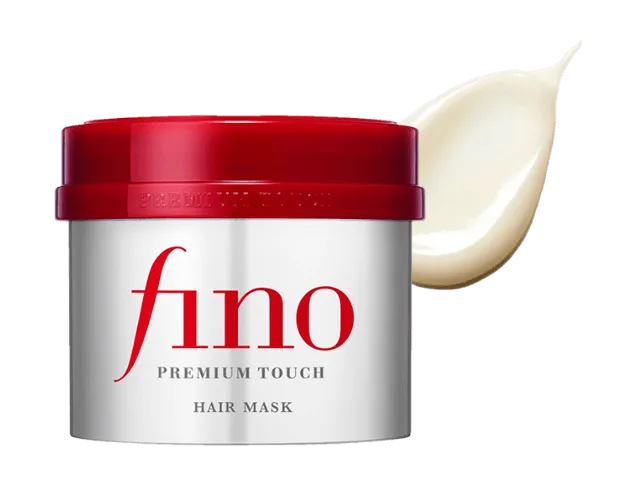 Fino Premium Touch Hair Mask
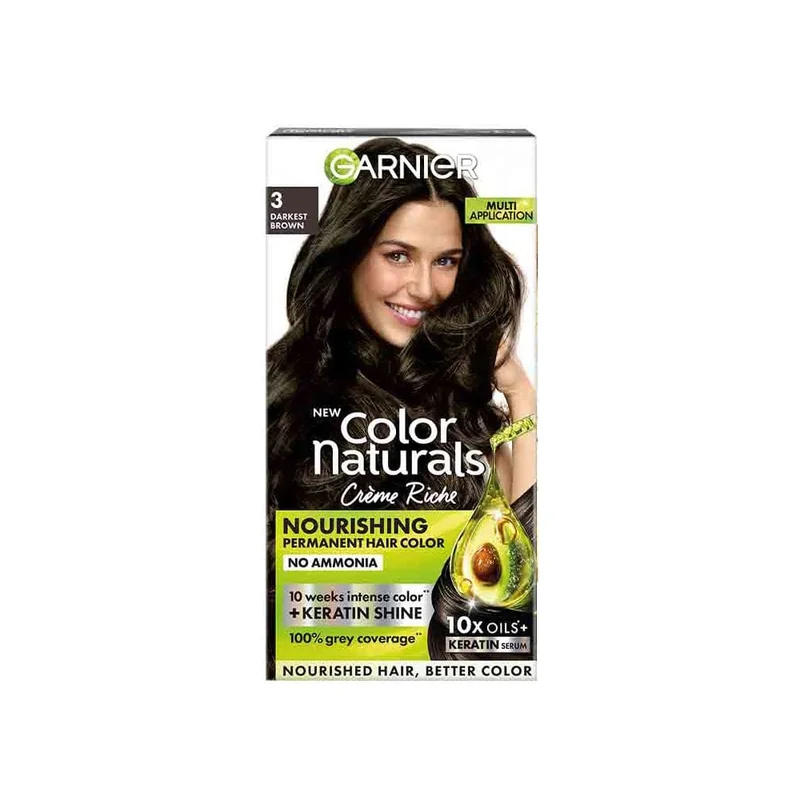 Garnier Color Naturals
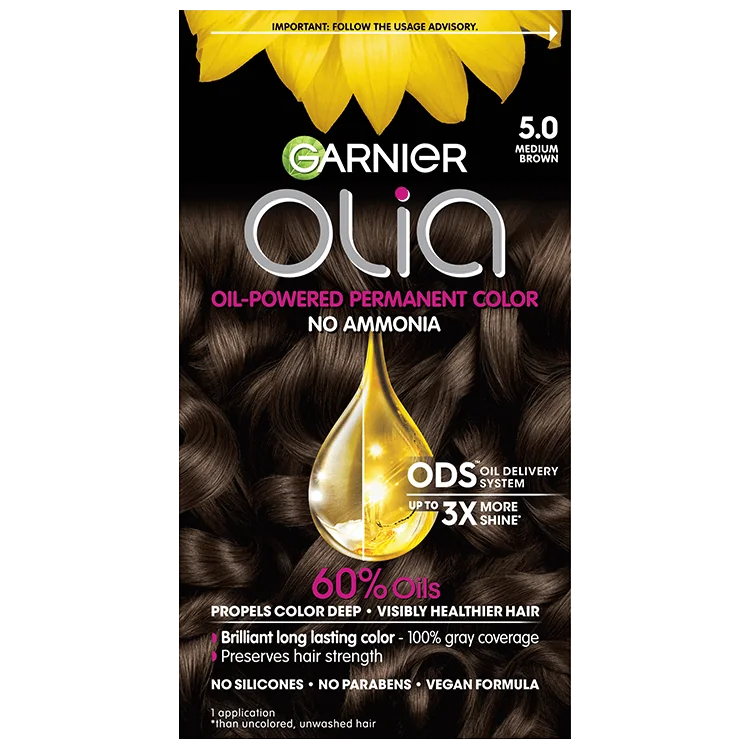 Garnier Olia
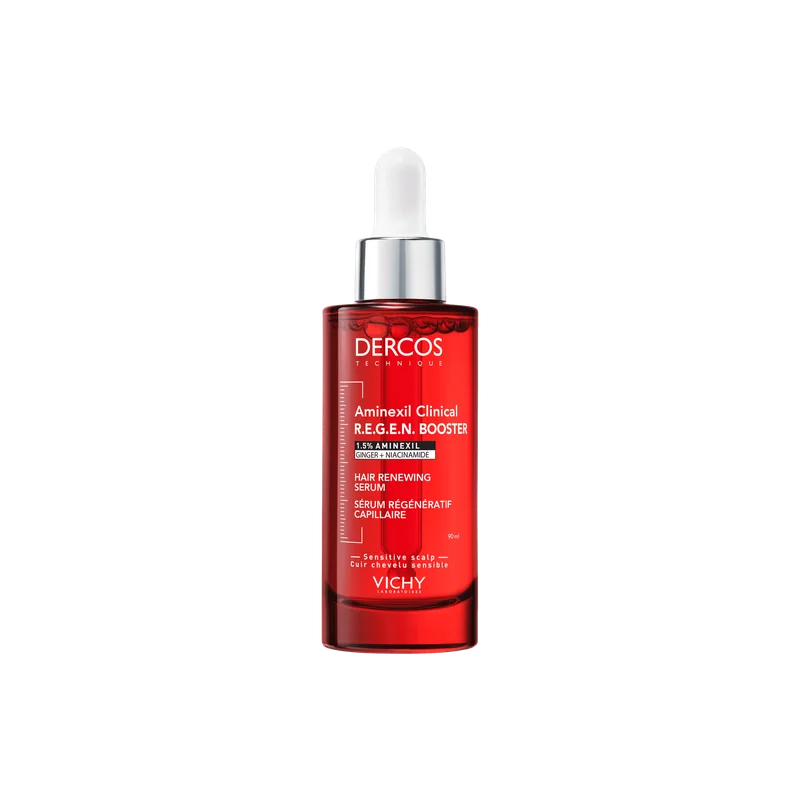 Vichy Dercos Aminexil
What do Saudi shoppers buy in hair care?
Shampoo leads, at 32.1% of hair care demand. Other care took 8.0% and styling 5.4%.
| Type | Share of hair care demand | Top 3 brands' share of the type |
|---|---|---|
| Shampoo | 32.1% | 35.0% |
| Serum and cream | 13.1% | 45.7% |
| Conditioner | 10.4% | 53.6% |
| Hair-loss treatments | 9.6% | 69.5% |
| Oil | 8.2% | 41.1% |
| Masks | 7.8% | 57.6% |
| Colour | 5.4% | 71.0% |
Saudi Arabic search volume agrees. "شامبو" (shampoo) stands at 60,500 a month and "زيت شعر" (hair oil) at 12,100, a ratio of 5 to 1. Estimated demand for shampoo beat oil by about 4 to 1 at the two larger ranges. "افضل شامبو" (best shampoo) stands at 1,300, far below the plain product word.
Hair-loss treatments such as minoxidil lotions took 9.6% of demand on no more than 3.6% of hair products, more than two and a half times their presence. Their share ran from 8.5% to 22.1% between the two larger ranges, and one brand, Avalon, took about half of the type overall. The higher figure is recent rather than settled: 78% of that range's treatment demand came after 1 October.
What do Saudi shoppers pay for hair care?
The midpoint was SAR 19 per unit, with the middle half of units between about SAR 14 and about SAR 30.
| Price band | Share of hair care units |
|---|---|
| SAR 10 to 20 | 43.3% |
| Under SAR 30 | 78.0% |
| SAR 100 and above | 3.3% |
Midpoints by type: conditioner SAR 16.1, shampoo SAR 18.4, serum and cream SAR 25.3, masks about SAR 30, about 1.6 times shampoo. The mask figure reflects a cluster more than a market price: about half of mask units sat near SAR 30, largely on two products and only at the largest range; the second range's midpoint was about SAR 31. Colour varies too much for one figure, from about SAR 14 to about SAR 23 between the two larger ranges.
Prices barely changed over the two months. For the same product, first week of September against the last days of October, the median change was 0.0% in all three ranges, with 5.3% of products up and 5.0% down.
The gap between sellers was wider. For identical products in two of the ranges, the median price gap was 15.9%, and 42.9% differed by 20% or more.
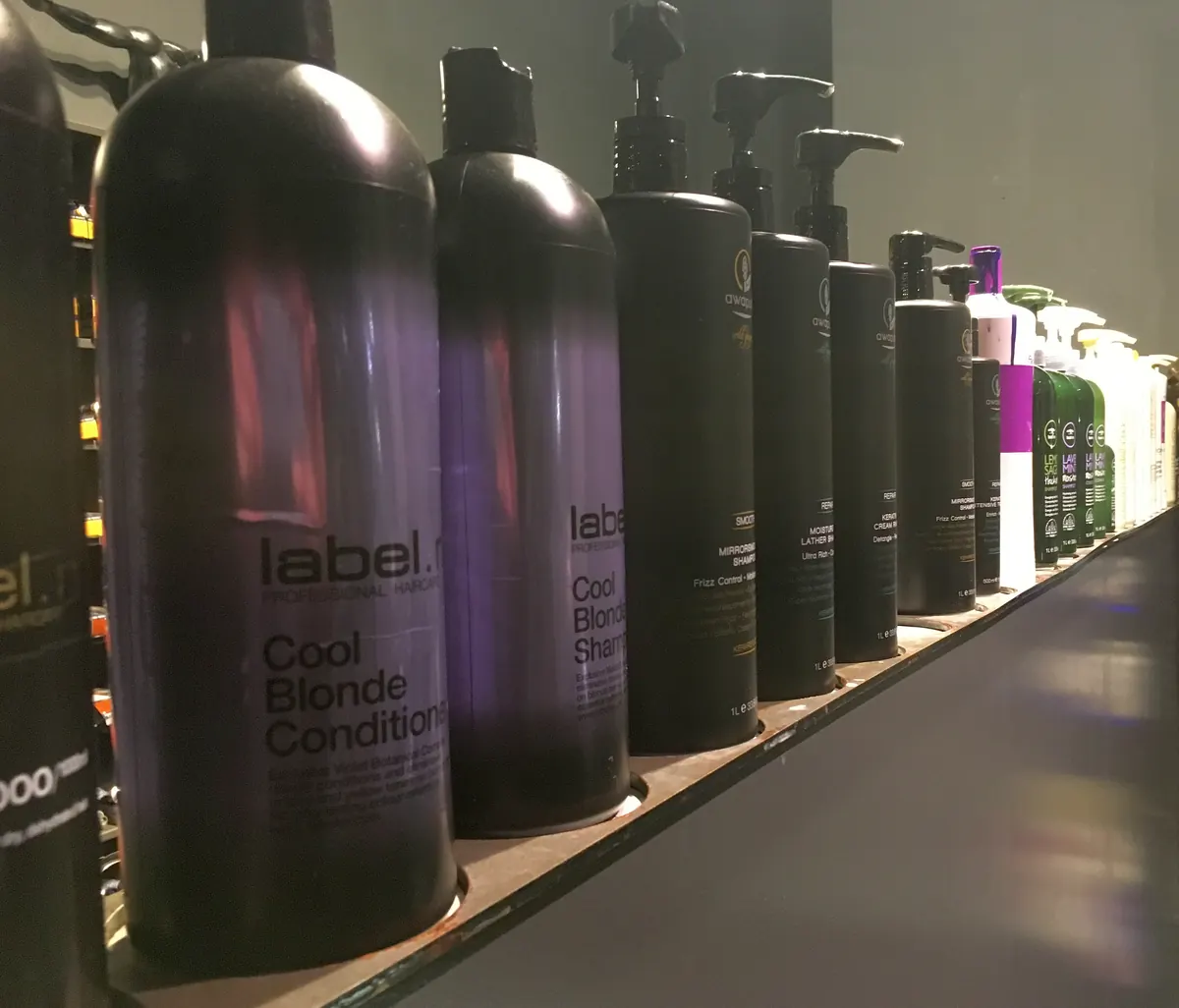
Which shampoo do Saudi shoppers choose?
L'Oreal Paris leads the largest range and is close to level with Dove at the second, which is far smaller. The largest range makes up most of demand in this comparison, so pooled figures lean on it. This shows what shoppers choose, not which shampoo is best or what suits a given hair type.
| Brand | Share of shampoo, lower of the two larger ranges | Share of shampoo, higher of the two larger ranges |
|---|---|---|
 L'Oreal Paris |
14.1% | 14.2% |
 Garnier |
11.2% | 12.5% |
 Herbal Essences |
2.2% | 8.7% |
 Vichy |
4.0% | 6.9% |
 Dove |
6.3% | 13.8% |
 Nizoral |
5.0% | 8.3% |
 Johnson's |
1.8% | 4.3% |
 Sunsilk |
2.0% | 3.9% |
 Head & Shoulders |
2.0% | 3.8% |
Dandruff beats its share of products. Shampoos with dandruff in the name took 14.7% of shampoo demand on 10.1% of shampoo products. Hair-loss shampoos took 8.0% on 6.4%. Sulfate-free naming took 0.7% on 0.5%. These are floors, because a product that does not state the claim in its name is not counted.
Half of demand is one pack band. Packs of 400 to 699 ml took 50.2% of shampoo units, against 28.3% at 200 to 399 ml, 12.1% under 200 ml and 9.4% at 700 ml and above. Within a brand, the largest packs cost about a fifth to a little over a quarter less per 100 ml.
| Brand | SAR per 100 ml, 400 to 699 ml | SAR per 100 ml, 700 ml and above |
|---|---|---|
| Sunsilk |
2.9 | 2.3 |
| Garnier |
3.4 | 2.8 |
 Pantene |
3.7 | 3.0 |
| Head & Shoulders |
4.1 | 3.0 |
Each pack band has a different leader. The top shampoo under 200 ml was Nizoral's 100 ml anti-dandruff pack, and at 200 to 399 ml it was Vichy Dercos. Garnier Ultra Doux and L'Oreal Elvive led 400 to 699 ml, and Johnson's baby shampoo led 700 ml and above. So a small pack here is mostly a treatment purchase, and a very large one is often a family purchase.
Shoppers pay far more for a medicated or dermo shampoo. Per 100 ml, Nizoral's midpoint was about SAR 24 and Vichy's about SAR 35, roughly 7 to 10 times the about SAR 3.4 of L'Oreal Paris, Garnier and Dove. Together Vichy and Nizoral still took about one shampoo in eight, at both larger ranges. Nizoral's lead product is a 100 ml pack, so the gap in pack price is far smaller than the gap per 100 ml. This compares price per volume and is not a judgment on value.
What leads hair oil?
Coconut, at 25.2% of hair oil demand on 13.9% of hair oil products. Parachute alone took 25.4% of hair oil, so the coconut lead is largely one brand. Dabur took 7.1%.
Argan works the other way: 2.6% of demand on 11.3% of products. Rosemary, at 5.8% of demand, took no more than its share of products. This covers products sold as hair oil only, not those ingredients in shampoos or masks.
Which brands hold Saudi hair care?
No brand dominates. Excluding colour, L'Oreal Paris and Garnier held 22.4% together, and the top ten brands about half.
| Brand | Share of hair care, excluding colour |
|---|---|
| L'Oreal Paris |
12.7% |
| Garnier |
9.7% |
| Avalon | 5.7% |
| Herbal Essences |
4.6% |
 Fino |
4.3% |
| Dove |
3.3% |
| Vichy |
3.0% |
 Parachute |
2.7% |
Elvive and Ultra Doux are counted within L'Oreal Paris and Garnier. Avalon's position rests on hair-loss treatments, about half of that type overall, and its share varied widely between the larger ranges.
- Masks are narrower than shampoo. Fino, Karseell and Garnier took 57.6% of mask demand, against 35.0% for the top three in shampoo.
- A few products carry demand. At the two larger ranges, the top tenth of hair products took about three quarters of units (76.1% and 76.8%).
What should a haircare brand owner in Saudi Arabia do?
- Check each product against its type's price point. A mask well above SAR 30 competes against the cluster holding about half of mask units, though that cluster rests largely on two products at one range.
- Lead shampoo with 400 to 699 ml. It took 50.2% of units. If you sell a larger pack, show the price per 100 ml in the ad.
- Put budget behind few products. With about three quarters of units in the top tenth, even spend across a range is hard to justify. Find your own lead products first.
- Build search around the product word. "شامبو" stands at 60,500 a month against 1,300 for "افضل شامبو", so a "best shampoo" page alone misses most of the interest.
- State a true concern in the product name. Dandruff-named shampoo took 14.7% of demand on 10.1% of products. Take regulatory advice before any treatment claim, especially on hair loss.
- Do not assume an ingredient sells. Argan took 2.6% of hair oil demand on 11.3% of products. Test it in your own results before building creative around it.
- Check your price across sellers before advertising it. With a median gap of 15.9% on identical products, the price in your ad may not be the one a shopper finds.
To have this checked against your own range, message Mojo on WhatsApp.