Nescafé takes about 36% of Saudi supermarket coffee demand, three times Dunkin', and it led in every week. It also leads instant coffee, mixes and capsules, while imported US brands and labels in big packs take most of ground coffee. From 2 September to 8 November 2026, the top three brands took about 55% of estimated coffee demand at one large Saudi supermarket.
All figures are for that period and that range of about 430 coffee lines from 61 brands that sold. They are estimated demand by value at listed prices, not reported sales, and they cover a supermarket shelf, not cafés, roasters or specialty stores. A "line" is a product listing. Brands are reported neutrally and the advice is Mojo's judgement. For where coffee sits in the basket, see our Saudi grocery report, and for Saudi categories online, our Saudi store benchmark.
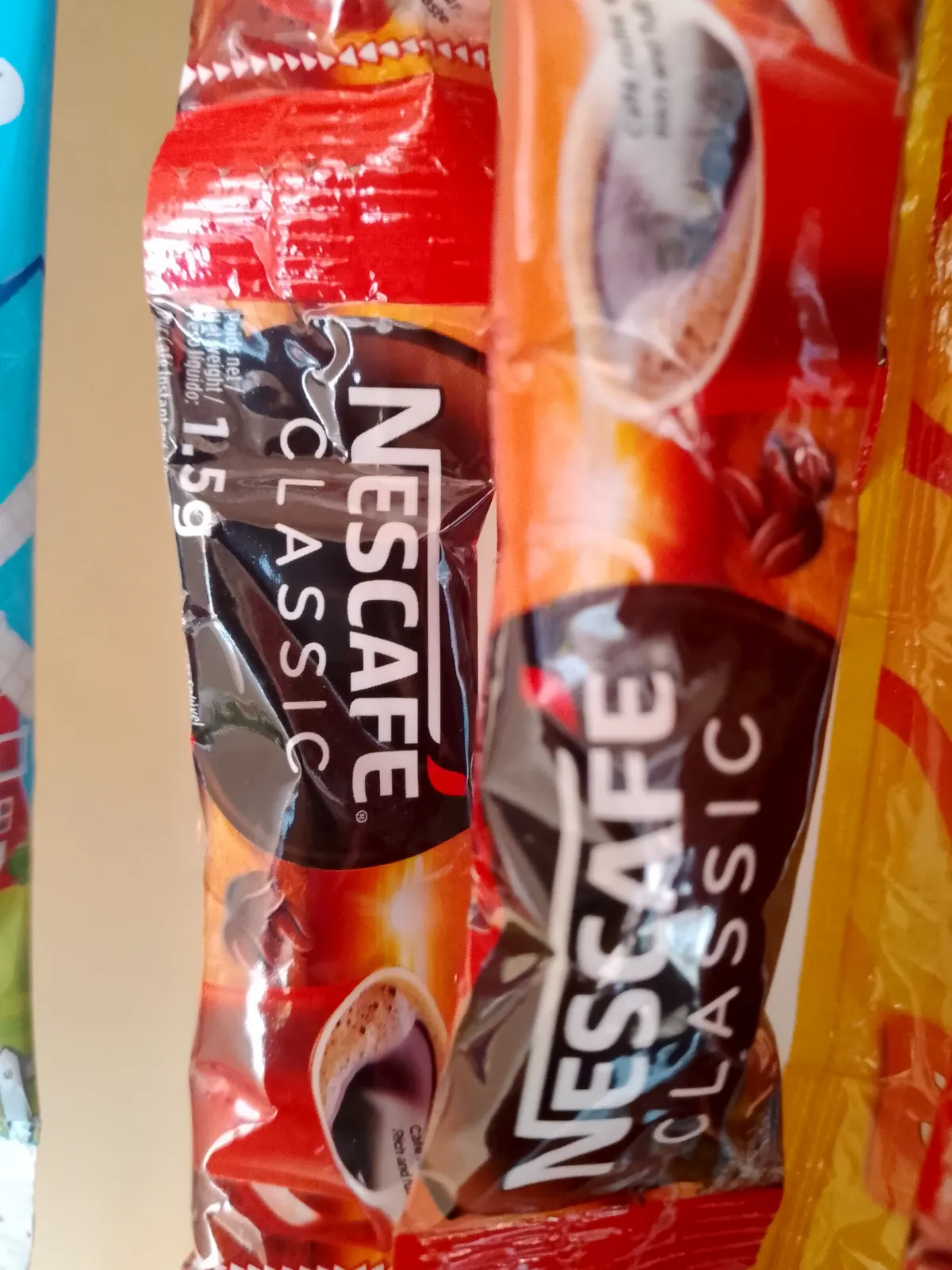
Which coffee brands lead in Saudi supermarkets?
| Brand | Share of demand | Share of units | September | October to 8 November |
|---|---|---|---|---|
| Nescafé | 36.1% | 39.3% | 33.0% | 38.2% |
| Dunkin' | 11.2% | 4.5% | 11.9% | 10.7% |
| Starbucks | 8.2% | 9.4% | 8.7% | 7.8% |
| Folgers | 4.8% | 1.7% | 5.9% | 4.0% |
| Maxwell House | 4.2% | Under 1.7% | 5.1% | 3.5% |
| Baja | 3.8% | 5.9% | 3.3% | 4.1% |
| Nestlé, mostly Coffee mate | 3.3% | 4.1% | 2.9% | 3.6% |
"September" here runs from 2 September to 5 October. Imported US and UK supermarket labels together took about 8.7%, more than Starbucks.
Nescafé gained about five points between the halves. Dunkin', Folgers and Maxwell House lost ground. All three sell large packs, so their share of units is far below their share of value: Dunkin' takes about 11% of value on under 5% of units. Baja is the reverse, a Saudi brand with more units than value.
Nescafé gets about 36% of demand from 15% of the lines. Starbucks gets about 8% from 8%, and Baja about 4% from 7%.
In practice: a coffee brand outside the top three is fighting for single-digit shares, and the price per pack decides whether units or value is the honest measure of progress. Report both.
Which coffee formats sell?
| Format | Share of coffee demand | Share of units | Leaders by share of format |
|---|---|---|---|
| Ground coffee and beans | 31.6% | 15.4% | Nescafé 25%, imported labels 23%, Folgers 15% |
| Capsules and pods | 14.1% | 18.1% | Nescafé 47%, Starbucks 30%, Dunkin' 10% |
| Mixes, 3-in-1 and 2-in-1 | 13.5% | 16.4% | Nescafé 66%, Starbucks 8%, Baja 7% |
| Instant coffee | 10.6% | 9.5% | Nescafé 88%, Baja 5% |
| Iced and ready-to-drink | 5.1% | 17.4% | Nescafé 31%, Nada 16%, Kafy 10% |
| Arabic and Saudi coffee | 4.9% | 4.5% | Kif Almosafer 27%, Al Ameed 24%, Thouq 18% |
| Creamers | 4.7% | 5.1% | Coffee mate 70% |
About 15% of demand is in packs without a stated format, led by Dunkin'.
Instant coffee is close to a one-brand format, with Nescafé at about 88%. Mixes are not far behind at 66%. Capsules are the most open of the three formats Nescafé leads, with Starbucks at about 30%.
Iced and ready-to-drink coffee takes about 17% of units but only 5% of value, at around SAR 5 a can or bottle. It is where dairy brands such as Nada and Kafy meet coffee brands.
Arabic and Saudi coffee is small on this shelf at about 5%, split between four brands. Much Saudi coffee is bought from roasters and specialty stores that these figures do not cover, so do not read this as the size of that market.
In practice: a challenger has more room in capsules, ground coffee and ready-to-drink than in instant, where the leader holds nearly nine sales in ten.
What does coffee cost in Saudi Arabia?
The midpoint coffee item cost about SAR 25, and the middle half of units cost about SAR 11.5 to 38.
| Format | Midpoint price per item (SAR) | Middle half of units (SAR) |
|---|---|---|
| Iced and ready-to-drink | About 5 | 5 to 8 |
| Capsules and pods | About 22 | 22 to 34 |
| Creamers | About 23 | 23 to 30.5 |
| Mixes | About 24.5 | 10 to 42 |
| Instant coffee | About 35 | 25.5 to 42 |
| Arabic and Saudi coffee | About 38 | 20.5 to 48 |
| Ground coffee and beans | About 60 | 43 to 70 |
About 41% of units cost SAR 20 to 40. About 5% cost SAR 80 or more, but that top band, mostly large US packs, takes about 21% of value.
In practice: price against the format, not the category. A SAR 35 instant jar sits at the format's midpoint, while a SAR 35 bag of ground coffee sits far below the ground midpoint of about SAR 60.
How often is coffee out of stock?
Selling coffee lines were unavailable on about 13% of days, and about half were out at least once. The twenty biggest lines were out on about 7% of days.
| Brand | Days unavailable, selling lines |
|---|---|
| Cofique | About 6% |
| Starbucks | About 10.5% |
| Folgers | About 12.5% |
| Nescafé | About 13% |
| Nestlé, mostly Coffee mate | About 14% |
| Dunkin' | About 15% |
| Baja | About 19.5% |
| Maxwell House | About 36% |
Creamers were out on about 18% of days, the highest of any format. Maxwell House lines were out on more than a third of days, which fits its loss of share between the halves, though the figures cannot show cause.
In practice: coffee buyers are loyal to a format and a taste. When a line is missing, they may switch for good, so keep ads off lines that are out. Our guide to pausing ads on unavailable products explains how.
Which coffee products sell most?
The ten biggest coffee lines took about 32% of demand, twice the share of the top ten in dairy or chips. Four of them are large packs priced at SAR 125 to 160.
| Product | Brand | Share of coffee demand | Price per item (SAR) |
|---|---|---|---|
| Large coffee pack | Dunkin' | 6.4% | About 160 |
| Gold dark roast | Nescafé | 5.3% | About 60 |
| Classic instant | Nescafé | 3.7% | About 35 |
| 3-in-1 mix | Nescafé | 3.0% | About 47 |
| Original medium roast | Maxwell House | 2.5% | About 127 |
| Colombian coffee | Imported store label | 2.5% | About 160 |
Nescafé holds five of the top ten lines across instant, mixes and Gold. The large US packs sell in small numbers but at high prices, which is why Dunkin', Folgers and Maxwell House rank higher by value than by units.
Coffee leans less on the weekend than most grocery. Fridays and Saturdays ran about 1.3 times the Sunday to Thursday average, and Friday alone only about 1.1 times an average day, while chips ran about 1.5 times.
In practice: coffee is a steady weekly purchase, so spread spend across the week rather than loading it onto Friday, and give the big-pack buyer a reason to come back when the pack runs out.
What should coffee brands do in Saudi Arabia?
Mojo's judgement, from the figures above:
- Choose the format to fight in. Instant is close to closed. Capsules, ground coffee and ready-to-drink each have room for a second or third brand.
- Measure value and units together. Large-pack brands lose units to Nescafé while holding value, and Saudi brands such as Baja do the opposite.
- Keep the shelf full. Maxwell House, out of stock on more than a third of days, lost share between the halves. Availability is a share lever a brand controls.
- Plan for the weekend. Grocery demand runs highest on Fridays and Saturdays. See our Saudi grocery report for the pattern by day.
To have this checked against your own coffee range, send Mojo your products and current media plan on WhatsApp and we will review format, price position, availability and budget against the leaders.